
Explaining a child custody agreement to your child is one of the hardest conversations a parent may ever have to have. Done well, it reduces anxiety, protects attachment, and helps your child adjust. Done poorly, it can increase confusion, blame, and long-term stress.
Before You Talk: Get Your Plan in Place
- Agree on the basics with your co-parent first (when possible). Presenting a confident, consistent message avoids mixed signals and reduces children’s anxiety. Research and clinical guidance recommend parents prepare shared talking points when they can. (Child Mind Institute)
- Decide who says what and when. Younger children benefit when both parents speak together; older kids may prefer a one-on-one conversation. (Child Mind Institute)
- Know the custody logistics yourself before explaining them. Be able to clearly describe where the child will sleep, what activities/routines will stay the same, and how holidays/transportation will work.
How to Frame the Conversation
- Be honest, simple, and age-appropriate. Use concrete language for younger kids and more detail for teens. Avoid vague promises you can’t keep. (Child Mind Institute)
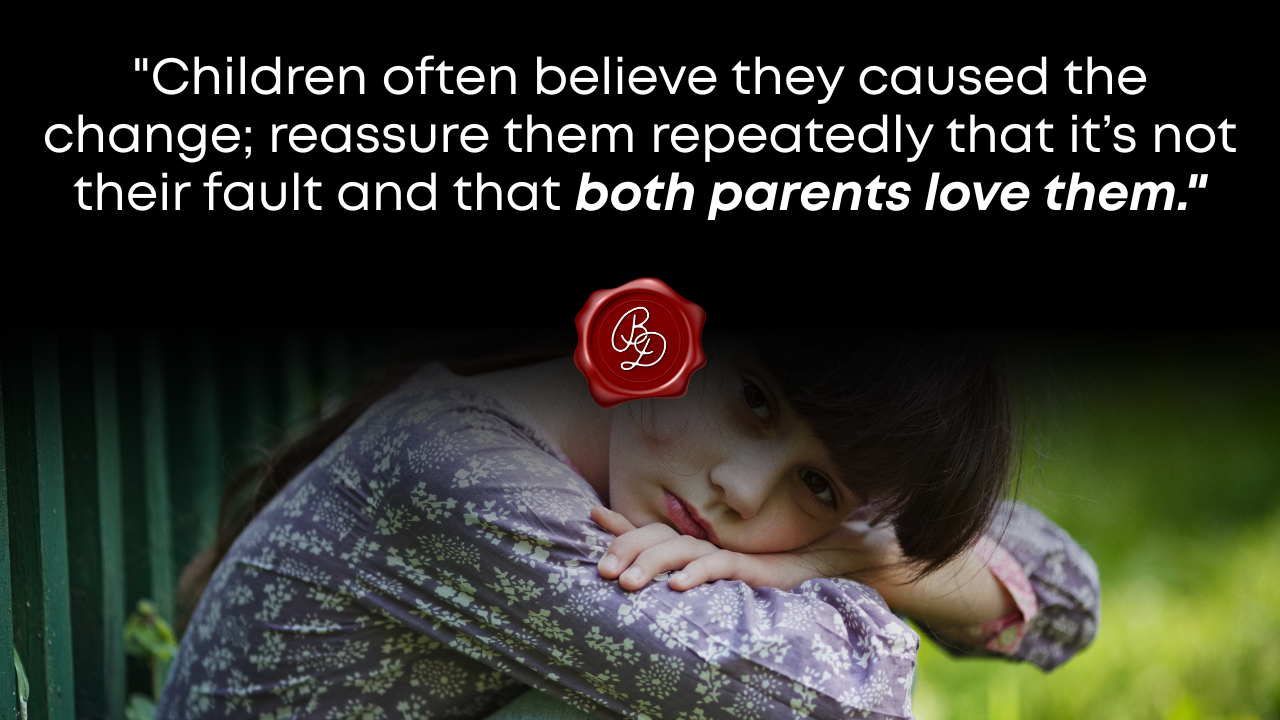
- Reassure them repeatedly that it’s not their fault and that both parents love them. Children often believe they caused the change; clinicians emphasize reassurance as a top priority. (HealthyChildren.org)
- Present a united front where possible and minimize conflict. Long custody disputes and forcing a child to “choose” sides are linked to worse outcomes for kids. Work to keep disagreements between adults. (AACAP)
What to Say: Quick Scripts By Age
- Young children (preschool–early elementary):
“Mom and Dad won’t live in the same house anymore, but you will get to see both of us. You will spend Monday–Wednesday with Mommy and Thursday–Saturday with Daddy. We both love you and will help you with school and bedtime.” (AAP Publications) - School-age children (8–12):
“We’re making a plan so you can spend time with both of us. Things like your school, your bed, and your friends will stay the same. If you have questions later, it’s okay to ask. We’ll answer honestly.” (Child Mind Institute) - Teenagers:
Be direct and open to questions about legal decisions, schedules, and expectations. Teens may want input on the schedule or to understand how it was decided. Listen and involve them when appropriate. (Child Mind Institute)
What to Do (and Say) After the First Conversation
- Keep routines stable. Routines are grounding for kids during transitions; maintain school, bedtimes, and extracurriculars when possible. (HealthyChildren.org)
- Check in often. Brief, calm follow-ups beat one long “lecture.” Kids process changes over time; expect questions later. (Child Mind Institute)
- Model respectful talk about the other parent (no badmouthing). Protect your child from adult conflict; their long-term adjustment improves when parents minimize exposure to disputes. (AACAP)
What to Avoid
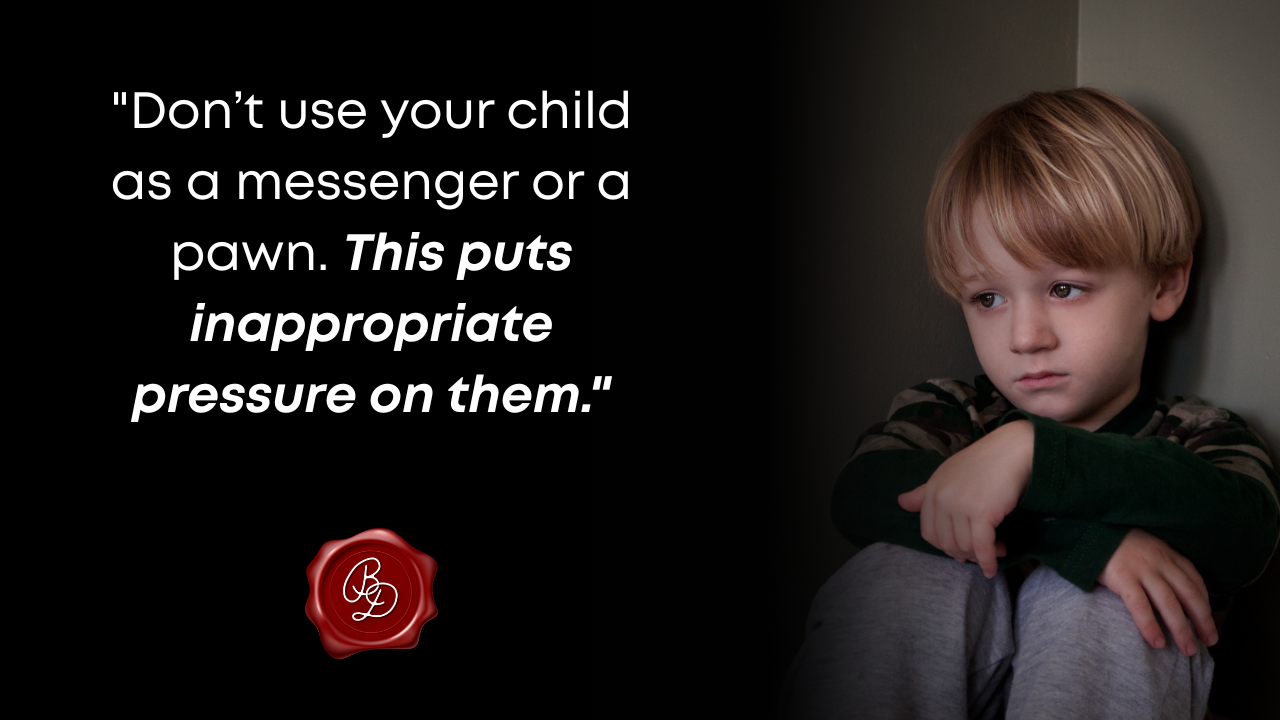
- Don’t use the child as a messenger or a pawn (e.g., “tell Dad to pick up your soccer bag”). This puts inappropriate pressure on the child. (Child Mind Institute)
- Don’t overshare adult details (finances, romantic relationships, legal threats). Share what affects the child directly; keep adult topics between adults. (Child Mind Institute)
- Don’t force a child to choose sides or gather “evidence” about the other parent. This harms parent–child relationships and can worsen outcomes. (AACAP)
Signs Your Child May Need Extra Help
Look for ongoing changes in mood, sleep, school performance, or behavior that last more than a few weeks, especially prolonged anxiety, withdrawal, aggression, or regression in younger children. If these appear, consider professional support (a pediatrician, child psychologist, or family therapist). The American Academy of Pediatrics and child mental-health organizations recommend early intervention when problems persist. (AAP Publications)
Tools That Can Help Co-Parents Communicate Logistics
- Shared calendars and co-parenting apps (for schedules, exchanges, and documentation) can reduce conflict and make transitions smoother; some families find tools like TalkingParents or shared digital calendars helpful. Use tools that keep communication factual and documented when needed. (TalkingParents)
Research & Further Reading
- Child Mind Institute — How to Tell Kids You’re Getting a Divorce and related guides. (Child Mind Institute)
- HealthyChildren.org / American Academy of Pediatrics — How to Talk to Your Children about Divorce and clinical guidance on helping kids adjust. (HealthyChildren.org)
- American Psychological Association — guidelines on custody evaluations and parenting coordination. (American Psychological Association)
- American Academy of Child & Adolescent Psychiatry — facts about how conflict affects children. (AACAP)
(You can click the links above to read the full guidance from these organizations.)
Quick Checklist for the Conversation
- Prepare shared talking points with your co-parent if possible.
- Use simple, honest language; reassure love and safety.
- Explain the practical schedule (sleeping, school, who picks up) clearly.
- Keep adult conflict out of conversations with the child.
- Follow up, keep routines, and watch for signs of trouble.
- Seek professional help if symptoms persist.
Sample closing you can use in a conversation
“We both love you very much. We created this plan so you can spend time with both of us and so you can keep your school, your friends, and your activities. If anything about this plan worries you or you don’t understand something, tell us and we’ll figure it out together.”
Need legal help explaining the custody order or protecting your child’s best interests?
If you’re unsure how to explain a specific court order, need help negotiating a clearer custody schedule, or want guidance on co-parenting communication that protects your child, Bourlon & Davis P.A. can help. We work with families to translate legal orders into practical parenting plans and, when necessary, to seek modifications that serve the child’s best interests. Contact us to schedule a consultation. We’ll help you find the right words and the right plan for your family.
